
Uterine Fibroids Explained: Your Central Guide to Symptoms, Treatment & Care

If you’ve been diagnosed with uterine fibroids or suspect you might have them, you’re likely searching for clear, trustworthy information. You’re not alone. Uterine fibroids are incredibly common, yet understanding what they are, how they affect your body, and what you can do about them can feel overwhelming.
This guide is designed to be your central hub—a straightforward starting point that cuts through the confusion. We’ll walk you through the fundamentals of fibroids symptoms, the spectrum of fibroids treatment options, and how this condition intersects with fertility and daily life. Consider this your map; for deeper exploration on any specific topic, we’ll point you to our detailed, standalone guides.
What Are Uterine Fibroids? Definition, Types, and Causes

Uterine fibroids (also called leiomyomas) are non-cancerous growths made of muscle and fibrous tissue that develop in or on the wall of the uterus. It’s crucial to know that fibroids are almost always benign; they are not synonymous with cancer and very rarely become cancerous.
They are categorized by their location, which influences the symptoms you might experience:
- Submucosal Fibroids: Grow into the uterine cavity.
- Intramural Fibroids: Grow within the muscular uterine wall.
- Subserosal Fibroids: Project to the outside of the uterus.
The exact cause of uterine fibroids is unknown, but their growth is linked to the hormones estrogen and progesterone. Factors like family history, age (common in your 30s-40s), and ethnicity (more common in Black women) can influence your risk.
Uterine Fibroids Symptoms & Diagnosis: What to Look For
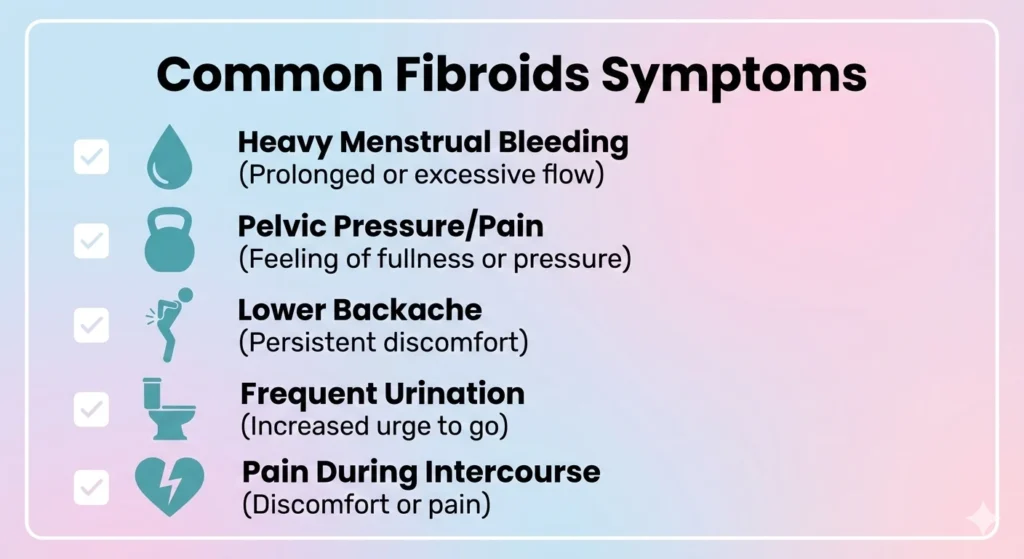
Fibroids symptoms vary dramatically. Some women have no signs at all, while others experience life-altering changes. Common symptoms include:
- Heavy or prolonged menstrual bleeding (menorrhagia).
- Pelvic pressure, pain, or a bloated feeling.
- Frequent urination or difficulty emptying the bladder.
- Pain during intercourse.
- Lower back pain.
If you’re experiencing these signs, the next step is a proper diagnosis, typically through a pelvic exam and confirmed by an ultrasound. This process helps rule out other conditions and maps the size, number, and location of any fibroids—key factors in deciding on treatment.
An Overview of Uterine Fibroids Treatment Paths
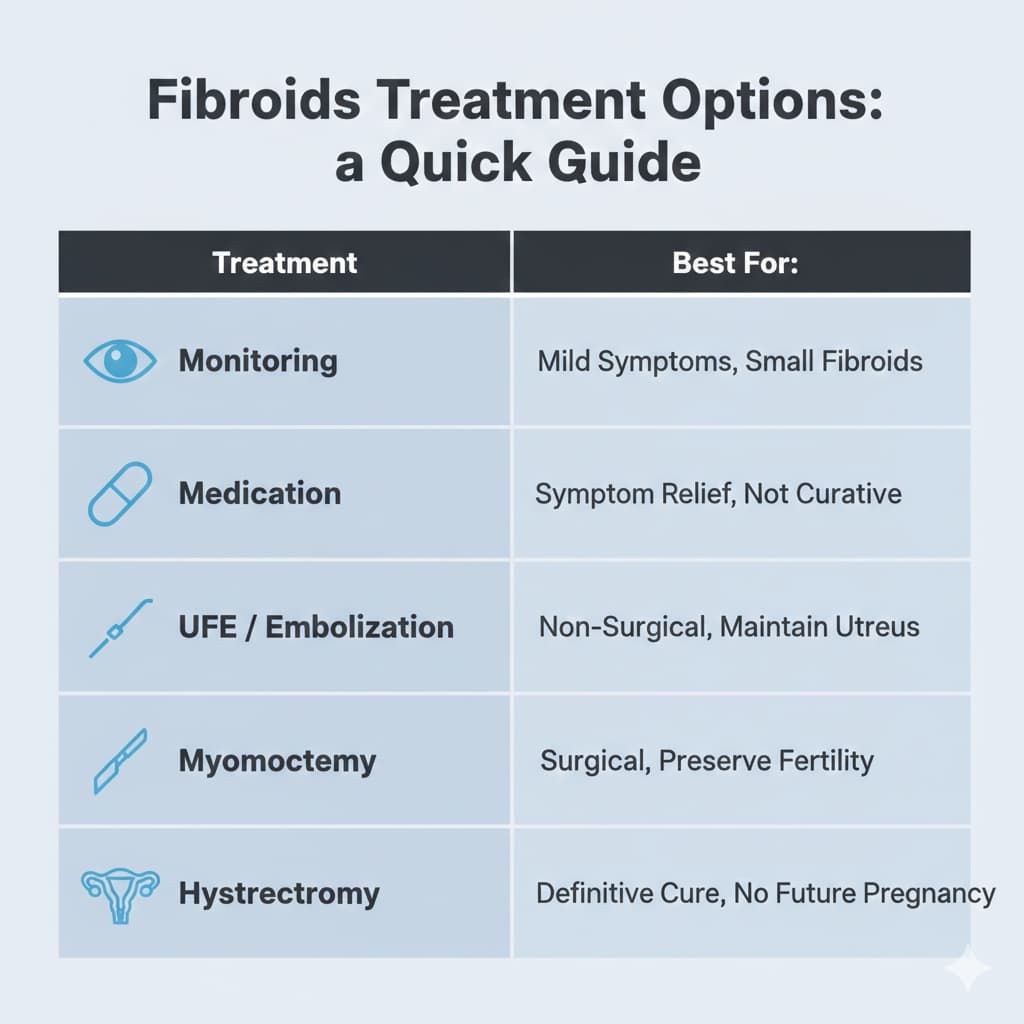
There is no single best fibroids treatment; the right path depends on your symptom severity, fibroid size and location, age, and whether you wish to have children. Options range from monitoring to major surgery, and understanding this spectrum is empowering.
- Watchful Waiting: If symptoms are mild.
- Medication: To manage heavy bleeding or shrink fibroids temporarily (e.g., GnRH agonists).
- Minimally Invasive Procedures: Such as Uterine Fibroid Embolization (UFE) or MRI-guided focused ultrasound.
- Surgery: Including myomectomy (removing fibroids) or hysterectomy (removing the uterus).
Each option has specific pros, cons, and recovery times. Our dedicated Fibroids Treatment Options: A Clear Comparison guide breaks this down in detail.
Fibroids, Fertility, and Daily Life
For many, the biggest concerns are about the future. Fibroids and fertility can be connected; depending on their location, fibroids may affect the ability to conceive or carry a pregnancy. However, many women with fibroids have healthy pregnancies. Our in-depth guide on Fibroids and Fertility addresses these questions thoroughly.
Beyond medical treatment, living with fibroids often involves daily management. This can include dietary adjustments, pain management strategies, and finding the right support. Have a look into our guides on Living with Fibroids: Diet & Management for practical, everyday strategies.
Conclusion & Your Next Steps
Understanding uterine fibroids is the first and most powerful step toward managing your health. This overview has given you the landscape—from basic definitions to high-level views of symptoms, treatment, and lifestyle impacts.
Your journey doesn’t stop here. Explore our detailed guides on each topic below:
- ➤ Fibroids Symptoms & Diagnosis: A Deep Dive
- ➤ Comparing All Fibroids Treatment Options
- ➤ Fibroids, Fertility, and Pregnancy: Your Questions Answered
- ➤ Natural Management & Daily Life with Fibroids
- ➤ How to Advocate for Your Care & Find Support
Arm yourself with knowledge, discuss these options with your healthcare provider, and take the next step that feels right for you.
Share this post






Uterine fibroids are a nightmare. Once you are diagnosed with it, your life suddenly changes.
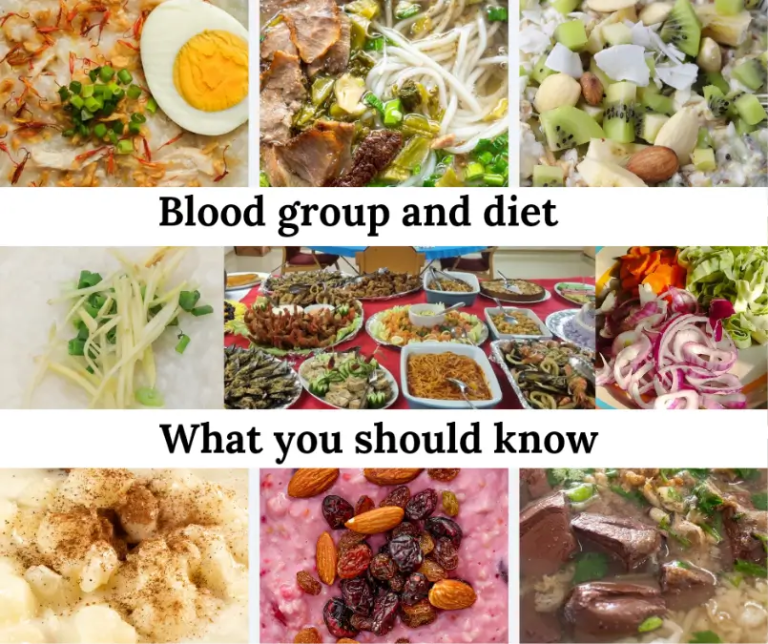
Your diet changes, and you even start to eat meals that you wouldn’t want to eat on a normal day.
The moment I realised I had them, though still very small, I started a new meal plan.
I abandoned the things I loved to eat too, and I was still TTC at the moment. My life suddenly changed in a way I didn’t expect 😞.
Very true, Zita. More like my own story except I wasn’t TTC, I was single, no signs at all until one day I came down with terrible cramps.
It got in the way of my work so I went to the hospital and to my shock, I was booked for an urgent surgery. The fibroids had grown bigger than before I even got to know that they were inside of me.
It’s one experience I wouldn’t forget in a hurry. As for my diet; yes, it has changed.
I’m on a new meal plan, one that doesn’t include the things I love to eat.