
invisible child syndrome – my anonymous family confession
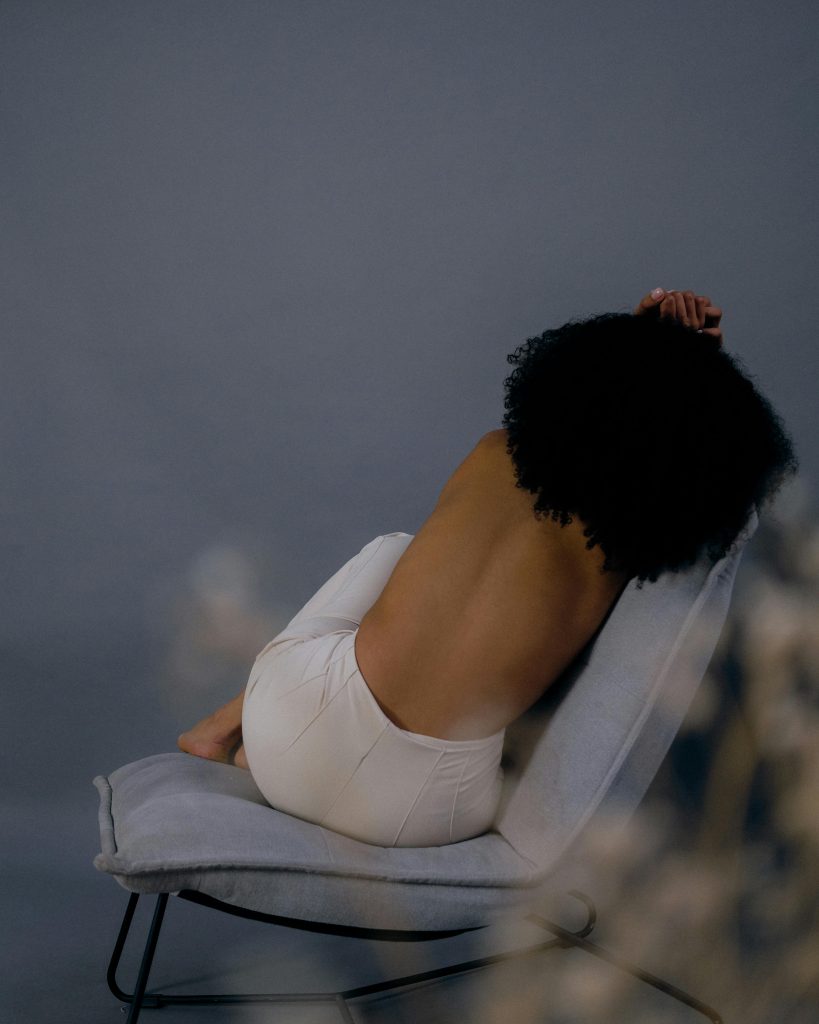
Image: by Nuta Sorokina via pexels
I’ve always been the easy one, the quiet one, and the child who never caused trouble. At first, I thought it was a good thing – then I realised it meant I was also the forgotten one. They call it ‘invisible child syndrome’ – that quiet ache of being overlooked in your own family. This is my anonymous confession of living with it for 28 years.
Last week, my mother called in tears because my younger sister failed her exams. I spent two hours comforting her, reminding her that Grace would be okay. When I quietly mentioned my promotion at work, the conversation ended abruptly. “That’s nice, dear,” she said before she hung up to call Grace again. I sat there staring at my phone, wondering when my achievements became footnotes in my family’s story.
The truth is, I’ve spent my entire life trying to earn love that was freely given to others. My brother got attention for his bad behaviour. My sister got attention for her struggles. And me? I got attention when I solved their problems.
I remember being eight years old and carefully lining up my school awards on the kitchen table, waiting for my father to notice. He walked past them to scold my brother for tracking mud into the house. That night, I cried into my pillow, not understanding why being good made me invisible.
Now, at 28, I still find myself falling into the same patterns: – Working late to finish my sister’s projects when she’s “too stressed” – Sending money home without being asked – Never mentioning when I’m sick or struggling – Smiling through family gatherings where no one asks about my life. My therapist says this is classic middle child syndrome. Still, that label doesn’t capture the ache of watching your parents light up for everyone but you. What they dont tell you about invisible child syndrome is how it follows you into adulthood – into friendships, relationships, even how you see yourself.
It doesn’t explain why I still feel like that little girl arranging trophies no one will see. The cruelest part? I’ve built my whole identity around being dependable. I’m the friend who remembers birthdays, the employee who never misses deadlines, the daughter who calls every Sunday. And yet, the more reliable I become, the more people seem to take me for granted.
Last month, I did something radical – I said no. When my mother asked me to cancel my weekend plans to help Grace move apartments, I hesitated, then said, “I can’t this time.” The silence on the phone was deafening. For once, I had disrupted the family dynamic, and it terrified me. But beneath the fear was something else – the faintest sense of freedom. I’m writing this because I need to admit the truth: I’m tired of being the strong one. I’m tired of equating love with usefulness.
What nobody tells you about being the invisible child is how it warps your relationships outside the family, too. I’ve spent years choosing partners who treat me exactly like my parents do – people who only notice me when they need something. My last boyfriend called me his “rock,” but never asked how my day was. My current best friend only reaches out when her love life is in shambles. And each time, I tell myself this is what love looks like – being needed, not cherished.
The hardest part isn’t even the loneliness. It’s the shame that comes with realizing you’ve trained people to treat you this way. That every time you swallowed your needs to accommodate theirs, you were teaching them that your feelings didn’t matter. With each silent acceptance, you were carving yourself smaller to fit into their lives. I keep thinking about that blue ribbon from fourth grade – the one for “Most Responsible Student” that my teacher made a big deal about presenting. I brought it home, beaming, only to find my parents distracted by my brother’s latest detention slip. That ribbon sits in my memory like a metaphor for my whole life – praised for being convenient, overlooked for being me.
But here’s what I’m starting to understand: Visibility isn’t something you earn through perfection. Love shouldn’t be a reward for making yourself small. That single “no” I said to my mother last month felt like the first gulp of air after years of holding my breath. It hurt. It scared me. And it tasted more like freedom than anything I’ve ever known.
Healing begins the moment we stop arranging our trophies for audiences that never show up. We become visible first to ourselves. I don’t have all the answers yet, but for the first time, I’m asking the questions. Like: Who would I be if I stopped performing? What would happen if I took up space instead of always making room for others? When will simply being me be enough? I don’t know. But I deserve to find out.
If you are reading this and recognise your own life in these words, know this: Invisible child syndrome may have shaped us, but it doesn’t get to define us. To anyone who has ever felt unseen, your pain is valid, your voice matters, and you’re more than the space others allow you to occupy. This anonymous confession is my first step out of the shadows.
Not the only one with a story. Here’s one more confession worth reading
Got something on your chest, too? Drop your own confession – no names, no pressure. Visit our Anonymous confession page to share yours.
https://nowandeveryotherday.com.ng/lets-talk-share-anonymously/


That it shaped us doesn’t mean it has defined us, nice work done.