
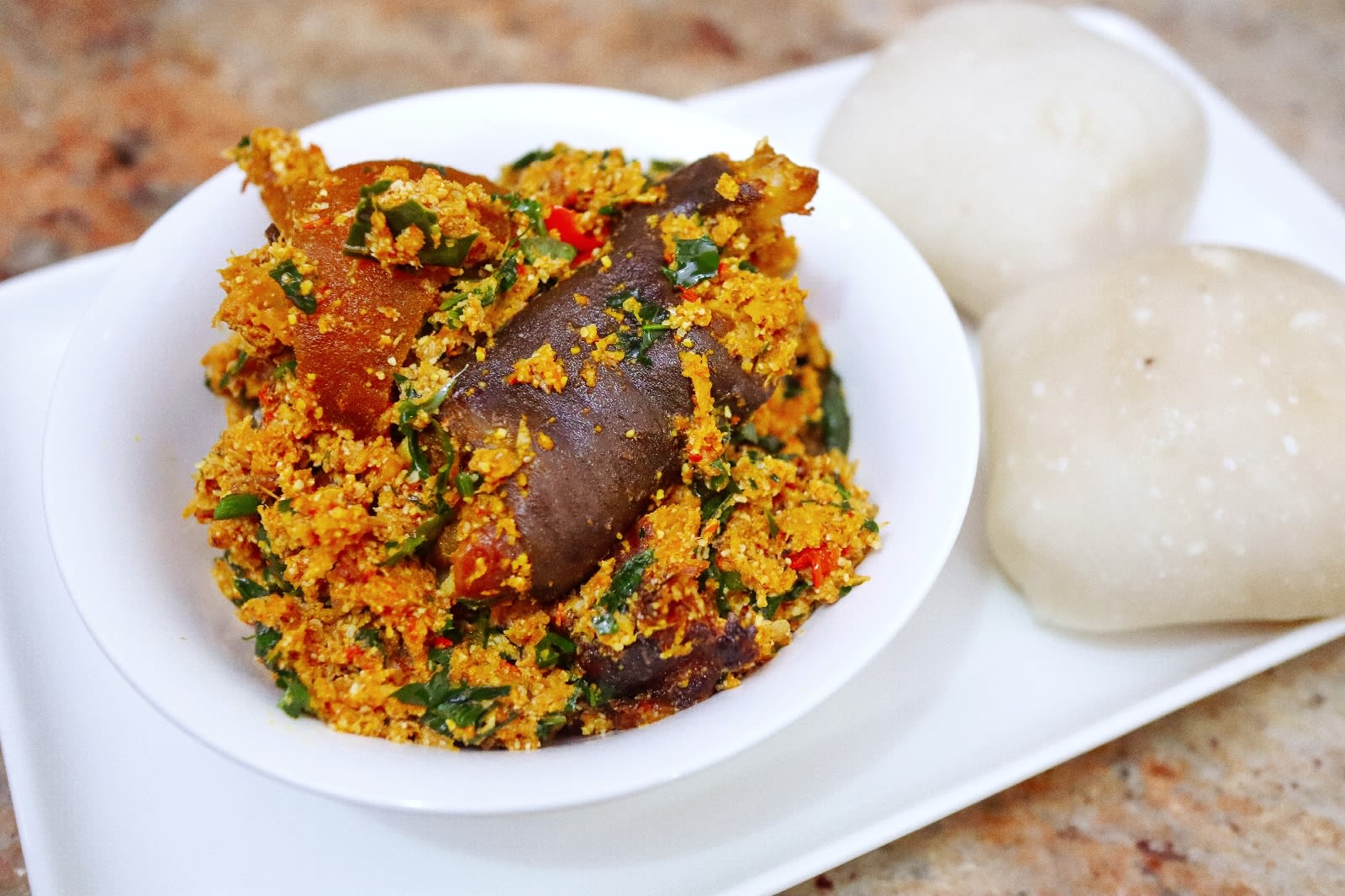
Top 5 Reasons Why Nigerian Food Is Taking Over Global Taste Buds – Featuring Egusi Soup
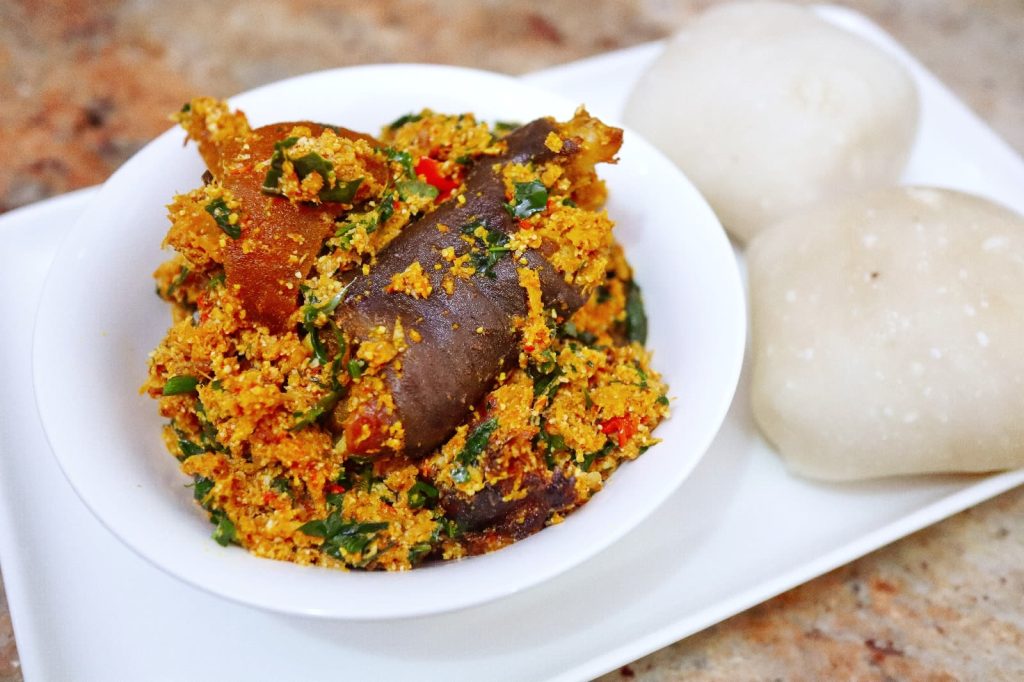
Image source:
https://res.cloudinary.com/jerrick/image/upload/c_scale,f_jpg,q_auto/66324a07e1f011001d2d365b.jpg
When My Body Spoke in Swallow Language – A True Story
Sometime in 2017, I experienced a strange kind of sickness. It wasn’t fever or flu—no sore throat or pounding headache. It was as if someone had quietly drained the strength from my bones. Every day, I woke up feeling weak, like my energy had packed its bags and moved out without notice.I kept asking myself, “What’s wrong with me?” I worked as a chef then, so I knew I was eating well—rice, beans, salads, meat, everything rich and nourishing. But still, I felt empty. Then one day, after much reflection, I realised I’d been eating everythingexcept swallow. For over two weeks, I had unknowingly skipped the one thing my body had grown up loving and depending on. So I decided to correct it. That afternoon, I prepared a steaming wrap of semo and the most heavenly Egusi Soup I’ve ever made. The moment I took the first swallow, I felt it—I kid you not. It was like life was returning to my limbs. By the time I swallowed the last lump, I was fully recharged. That’s when I knew—my body had been trying to tell me something all along. And since that day, when I feel weak more than a day or two, I don’t panic—I simply ask myself, “When last did I eat swallow?”
Nigerian Food: The Culture That Stirs the Pot and the Soul
There’s something magical about Nigerian food. The kind of magic that dances through the streets during festive seasons, the kind that fills up local buka joints by noon, and now, somehow, has managed to cross oceans and find its way to restaurant menus in London, New York, and Toronto.
If you’ve ever caught the aroma of jollof rice simmering with thyme and bay leaves or watched a video of someone swirling pounded yam into a thick bowl of soup, then you’ll understand: Nigerian food isn’t just about eating—it’s an experience.
These days, the global world is paying attention. Food vloggers are daring to try suya on TikTok, Egusi Soup is trending on YouTube, and even top chefs are experimenting with Nigerian spices. So, what’s making Nigerian food so irresistible?
Let’s talk about one of Nigeria’s culinary gems: Egusi Soup.
Egusi Soup: The Comfort Food That Unites Tribes
Ask any Nigerian and they’ll tell you—Egusi Soup is more than just a meal. It’s tradition in a bowl. Whether you’re from the East, West, or even the far North, egusi brings people together. It’s that dish you eat after a long week, at weddings, during Christmas, or when you just need something warm and hearty to lift your soul.
It doesn’t matter if you eat it with pounded yam, eba, fufu, or semovita—once that egusi hits your taste buds, the world stops spinning for a moment.
What You’ll Need (The Ingredients & Measurements)
- 2 cups of egusi (melon seeds) – ground
- 500g assorted meat (beef, goat meat, shaki)
- 200g stockfish – soaked and deboned
- 1 cup dry fish – washed and shredded
- 2 cooking spoons palm oil – or enough to give it that rich color
- 1 medium onion – chopped
- 2 seasoning cubes
- 1 tsp ground crayfish
- Fresh pepper to taste – scotch bonnet works magic
- 2 tablespoons locust beans (ogiri or iru) – optional but trust me, divine
- Salt to taste
- 2 cups chopped ugu leaves (fluted pumpkin) – or spinach as a substitute
- Optional: Periwinkle, Ponmo (Cow skin)
How to Make Egusi Soup: Step-by-Step
- Boil your meat and stockfish with onions, seasoning, and salt until soft.
- In another pot, heat your palm oil, then add chopped onions.
- Add the ground egusi (mixed with a little water to form a paste) and fry gently.
- Pour in the meat stock, stir, and allow to cook.
- Add crayfish, dry fish, locust beans, and all the meat.
- Simmer for 5–10 minutes, then add the vegetables.
- Stir, adjust seasoning, and let it all marry beautifully.
- Serve hot and enjoy!
Health Benefits of Egusi Soup (Not Just for Swallow Lovers)
1. Protein Punch: Egusi is rich in protein. Even without meat, it still supports body tissue repair and strength.
2. Healthy Fats: Egusi contains unsaturated fats that are good for the heart and brain.
3. Loaded with Vitamins: From Vitamin A for your eyes to Vitamin K for blood clotting, egusi is a nutritious bomb.
4. Energy Giver: Combined with swallow, this meal can fuel you through a whole Nigerian market day.
5. Gut Health: Locust beans promote digestion and balance intestinal bacteria.
6. Anti-inflammatory Agents: Omega-3s in melon seeds and crayfish help reduce inflammation.
What Swallow Goes with Egusi Soup? Take Your Pick:
- Pounded Yam – soft, stretchy, and a classic match
- Eba (Garri) – quick, satisfying, and widely loved
- Semo (Semovita) – light, smooth, and elegant
- Fufu (Cassava) – soft with a little bounce
- Amala – dark and silky, popular in Yoruba kitchens
- Oatmeal Swallow – perfect for the fitfam folks
- Plantain Fufu – sweet, light, and nutritious
- Wheat Swallow – healthy and fiber-rich
Whatever your taste, there’s a swallow that pairs perfectly with egusi. And if you’re like me, sometimes your body won’t stop nagging until you give it one.
Final Thoughts
Egusi soup is comfort, culture, and celebration in one pot. It’s the kind of dish that says, “Welcome home,” even if you’ve been away for years. It’s no surprise that the world is paying attention—because once you taste egusi, life is never the same.
So, next time someone asks what Nigerian food is like, hand them a spoon and a bowl of egusi.
